What does your heart do?
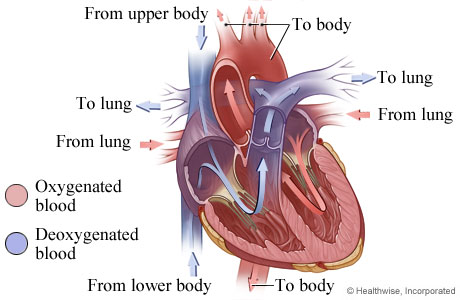
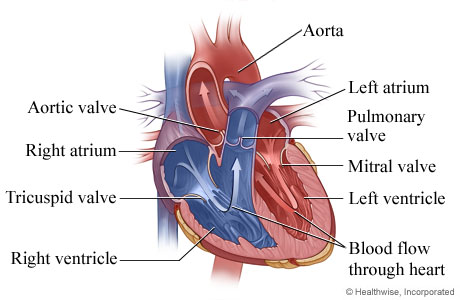
The heart is a muscle. Its main job is to keep blood flowing smoothly through your body. The right side of your heart receives the blood coming from your body and pumps it to your lungs. The left side of your heart receives blood from
your lungs and pumps it to the rest of the body.
Learn more about how the heart works.
Who can get a heart transplant?
You may be considered for a heart transplant if you have severe heart rhythm issues or end-stage heart failure related to severe blockages in your coronary arteries, congenital heart disease, or other heart conditions. End-stage means
that your heart may no longer be able to keep you alive.
A heart transplant may be an option when the heart no longer works well, and other medical treatments or surgeries cannot extend a person’s life.
In some cases, a ventricular assist device (VAD) may be used before a transplant.
Heart transplants are limited by the number of donors available. There are not enough donors for everyone needing a transplant.
Is a heart transplant right for me?
A heart transplant is not suitable for everyone. It is also not a cure. With a transplant, you are exchanging sick organs for healthy ones, with the hope of living longer and having a better quality of life.
It is important to know that getting a transplant involves a lifetime commitment to medical treatment, like taking many medicines every day, going to clinic appointments, and doing regular bloodwork and other tests.
A transplant is offered only when you have heart disease that is severe enough to need a transplant and all other treatment options have been tried. Your body must also be strong enough to tolerate the surgery and recovery.
Depending on your health history, you may not be eligible for a transplant.
You must avoid using all tobacco, nicotine or cannabis products, smoking or vaping any substance, and using street drugs before and after your transplant. It is also recommended to avoid alcohol use.