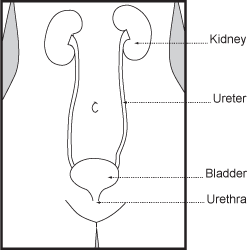
 A VCUG (voiding cystourethrogram) is an imaging test that takes x-ray pictures of your bladder to find out if pee (urine) is flowing backward into the ureters and kidneys. This is called reflux. The bladder stores pee until you empty your bladder in the toilet.
What happens before the test?
Your child can eat and drink like they normally do before this test.
If your child is taking antibiotics for a bladder or kidney infection, they need to start taking the medicine at least 48 hours before the test.
Where is the test done?
Your child will go into a room that has an x-ray camera over a bed. One parent or caregiver may be allowed to stay in the room with your child during the test. Anyone who is pregnant cannot be in the room.
What happens during the test?
A doctor and technologist will do the test.
Your child will change into a hospital gown.
There will be a plastic bag full of liquid (called contrast) hanging on a pole. A plastic tube called a catheter will be connected to the bag. The liquid fills your child's bladder and lets the x-ray pictures show how well the bladder and urinary tract are working.
Your child will lie on the bed on their back. The technologist or doctor will wash the tip of your child's penis or urethra with several pieces of cotton dipped in soap. The soap may feel cold. Your child should not touch this area until the test is over.
The technologist or nurse will then slide the tube a little way into your child's urethra. This may feel a little uncomfortable. The more your child can relax and breathe deeply, the easier it will be. The tube will then be loosely taped to your child's leg so it doesn't come out during the test.
X-ray pictures will be taken while the liquid runs slowly from the bag into the bladder. Your child will be able to watch their bladder fill up on the TV screen. Your child must stay very still when the doctor takes the pictures.
As the bladder fills up, your child may feel like they have to pee. When they don't think they can hold any more contrast, they can tell the doctor or the technologist.
Once their bladder is full, your child will be asked to pee while the doctor is still taking pictures. They will pee into a container or onto the table (if your child is very young). This will make the catheter fall out.
What happens after the test?
Your child can go home after the test and do their normal activities. They may feel a little sore the next few times they pee—but this will go away in a few days.
The results will be sent to the doctor who ordered the test in about 1 week.
Call your doctor’s office to talk about the results.